PCIG is excited to announce the upcoming fourth Forge conference, taking place on 7–8 April 2027 at the Technology and Innovation Centre, University of Strathclyde, Glasgow, followed by an optional CMAC tour on 9 April 2027.
Forge 2027 is the Royal Society of Chemistry PCIG’s flagship biennial conference, bringing together leading academics and industrial scientists working across particle science and nanotechnology.
Held in Glasgow, this two-day event will showcase cutting-edge research, innovation, and industrial practice, emphasising translation from fundamental science to real-world applications. This edition is jointly organised with the IChemE Particle Technology Special Interest Group and DECHEMA/VDI-Fachgruppe Particle characterisation. It promotes collaboration across chemistry, pharmaceutical sciences, chemical engineering, materials science, and data-driven technologies.
The conference celebrates the contributions of Early Career Researchers (ECRs) and Research Technical Professionals (RTPs), while providing a supportive platform for the next generation—including PhD/MSc students and apprentices—to present their work, many for the first time to a welcoming scientific community.
Programme highlights include plenary lectures from internationally recognised experts, invited talks, flash presentations, poster sessions, networking opportunities, a civic reception, and prestigious awards supported by the RSC, IChemE, and industrial partners.
Advances in formulation, drug delivery, characterisation, from fundamental research to manufacturing-relevant applications.
Design, processing, and application of functional particulate materials, including pharmaceutical materials, nanoparticles, porous materials, and energy materials, with a focus on crystallisation, process optimisation, and characterisation.
Data-driven approaches transforming particle design, process control, scale-up, and manufacturing.
Additional short talks and poster contributions are welcome from SAXS, XRD, and X-ray imaging practitioners including RTPs.
We invite abstract submission for oral and poster presentations at The Forge 2027, covering three key themes:
We welcome contributions from academia and industry, with students and early-career researchers particularly encouraged to submit.
This is an excellent opportunity to showcase your research, share knowledge and engage with the particle characterisation community.
Please download the abstract template and email your completed abstract to pcig.rsc@pcig.co.uk.
Free for conference attendees and their accompanying guests.
A community-led forum for facility managers, RTPs, researchers, instrument developers, and standards experts to share best practice in SAXS, instrumentation, ISO standardisation, and applications in pharmaceutical science and advanced materials.
Free for conference attendees.
Including Civic Reception, without conference dinner.
For sponsorship enquiries, please contact the PCIG Treasurer mel.disher@analytik.co.uk or Chair han.wu@ucl.ac.uk
For all other enquiries, please contact PCIG: pcig.rsc@pcig.co.uk

University of Strathclyde, UK
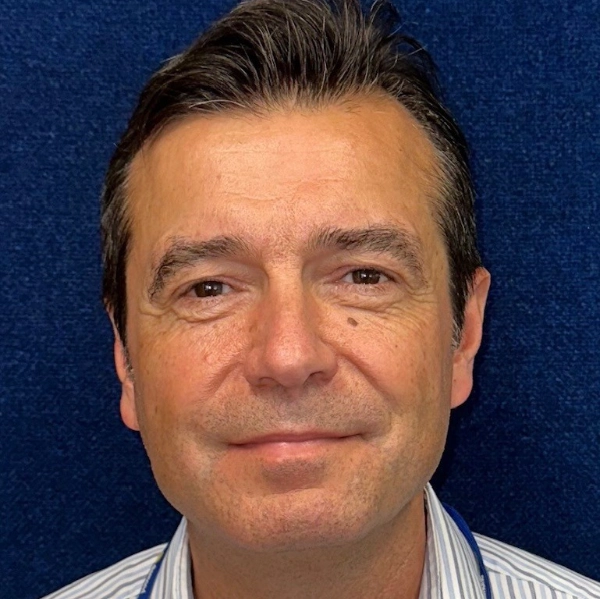
Johnson Matthey, UK
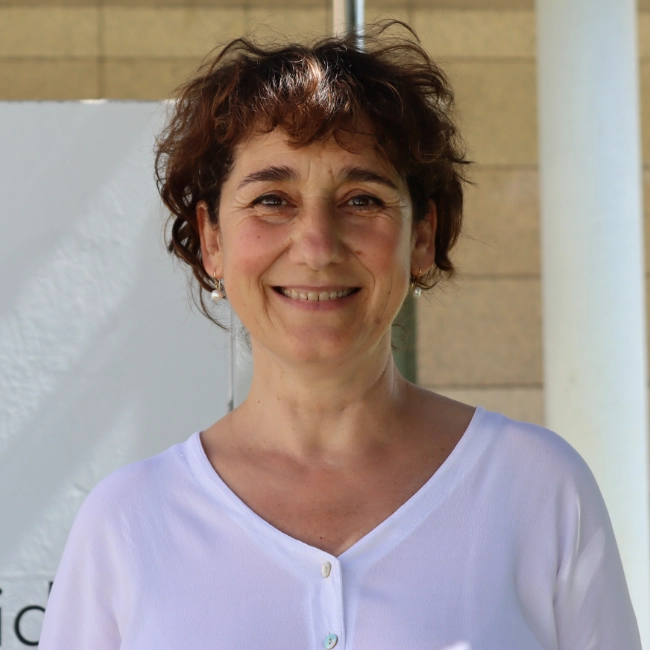
ICMM-CSIC, Madrid, Spain
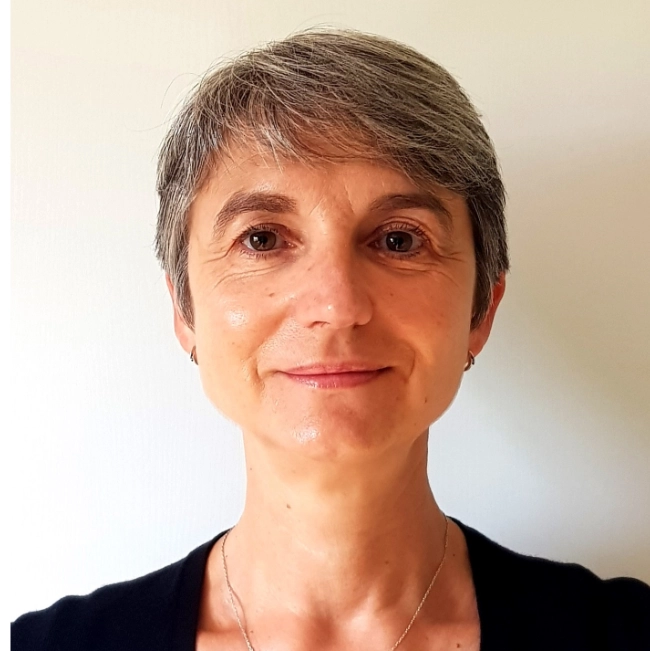
LCC-CNRS, Toulouse, France
University of Strathclyde & CMAC, UK
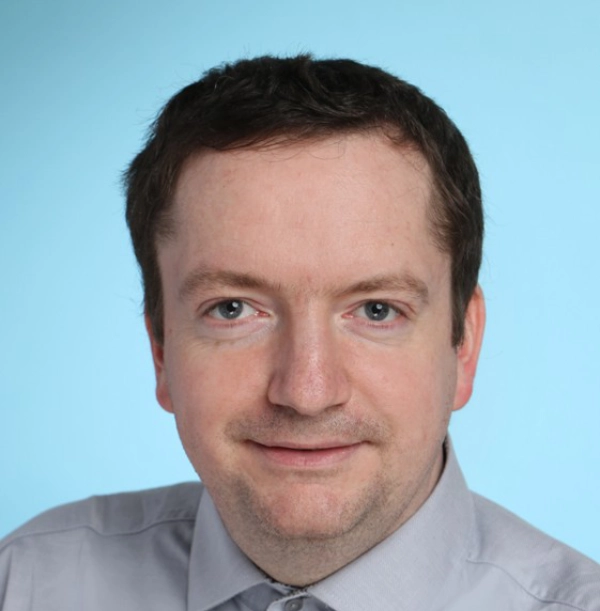
University of Paderborn, Germany
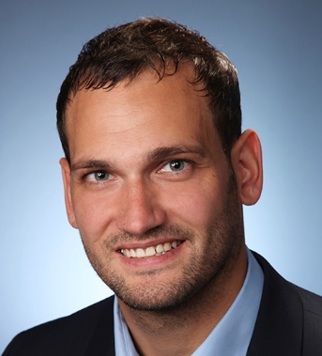
Technische Universität Braunschweig, Germany
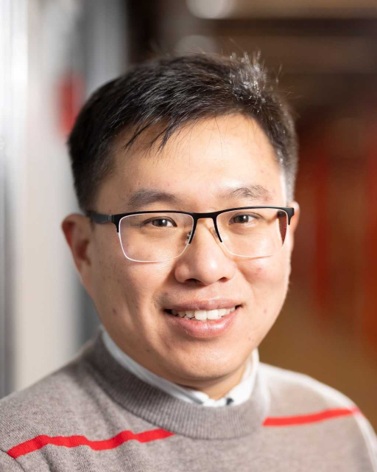
University of Twente, Netherlands
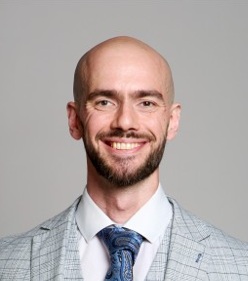
University of Birmingham, UK
University of Duisburg-Essen, Germany

Shanghai Synchrotron BioSAXS, China, ISO/TC/24/SC4 WG10
Session: AI Empowered Synchrotron Small-angle X-ray Scattering for soft matter study

SAXS Senior Product Specialist, Anton Paar, Austria, ISO/TC24/SC4 WG10
Founding Members of the SAXS Interest Group
SAXS/WAXS Facility Manager, Queen’s University Belfast

Materials Characterisation Instrument Specialist, University of Bath

Experimental Officer, University of Leeds
Instrument Scientist, University of Limerick
SAXS Specialist, University of Warwick

SAXS Facility Manager, UCL

SAXS Specialist, University of Liverpool
Session: Looking into the future of SAS in the context of Generative AI

SAXS technique specialist from Xenocs